The Evolution of Slovenia’s Digital Gambling Landscape
Slovenia’s relationship with online gambling has undergone dramatic shifts since the country’s independence in 1991. What began as a restrictive approach has evolved into one of Europe’s more nuanced regulatory frameworks, creating unique opportunities for players seeking international gaming experiences. The transformation accelerated after Slovenia joined the European Union in 2004, fundamentally altering how Slovenian players could legally access foreign-licensed casinos.
The current legal framework, established through the Gaming Act of 2011 and subsequent amendments, creates an interesting paradox. While Slovenia operates its own state-controlled gambling monopoly through Loterija Slovenije, the law doesn’t explicitly prohibit citizens from playing at EU-licensed operators. This regulatory gap has become increasingly significant as 73% of Slovenian online gamblers now regularly use international platforms, according to 2026 data from the European Gaming and Betting Association.
Understanding this landscape requires examining both the historical context and current practical realities. For players exploring international options, platforms like Bizzo Casino login demonstrate how EU-licensed operators have adapted their services to accommodate Slovenian players while maintaining regulatory compliance across multiple jurisdictions.
Legal Pathways Through EU Licensing Frameworks
The European Union’s freedom of services principle creates the primary legal avenue for Slovenian players to access foreign casinos. Under EU law, any gambling operator licensed in an EU member state can theoretically offer services across the union, though individual countries maintain varying degrees of restriction. Slovenia’s approach has been notably permissive compared to countries like Germany or the Netherlands, which have implemented more restrictive measures.
Malta Gaming Authority (MGA) licenses represent the most popular choice among operators serving Slovenian players, accounting for approximately 68% of international platforms used by Slovenian gamblers in 2026. The Gibraltar Gambling Commission and UK Gambling Commission licenses follow, though Brexit has complicated the latter’s applicability. These licensing jurisdictions maintain rigorous standards for player protection, financial security, and game fairness that often exceed Slovenia’s domestic requirements.
The practical implementation of this system relies heavily on the principle of “passive provision of services.” Slovenian players can legally access and use EU-licensed gambling sites as long as the operators don’t actively market or advertise within Slovenia. This creates a somewhat gray area where players can find and use international platforms, but operators must be careful about their promotional activities within Slovenian borders.
Banking and Payment Method Compliance
One of the most significant practical considerations for Slovenian players involves payment processing and banking compliance. Slovenian banks have varying policies regarding gambling transactions, with some institutions blocking payments to certain international operators while others maintain more permissive approaches. The introduction of the euro in 2007 simplified many cross-border transactions, eliminating currency conversion issues that previously complicated international gambling.
Credit card processing remains the most reliable method, with Visa and Mastercard maintaining broad acceptance across EU-licensed platforms. However, Slovenian players have increasingly turned to e-wallet solutions like Skrill, Neteller, and PayPal for enhanced privacy and transaction speed. Cryptocurrency adoption has also grown significantly, with 31% of Slovenian online gamblers using Bitcoin or other digital currencies for international gambling transactions as of 2026.
Bank transfer methods present unique challenges, as Slovenian financial institutions must comply with both domestic anti-money laundering regulations and EU payment services directives. This dual compliance requirement has led to the development of specialized payment processors that facilitate secure transactions between Slovenian players and international operators while maintaining full regulatory compliance.
Tax Implications and Reporting Requirements
Slovenian tax law requires citizens to report gambling winnings above €300 annually, regardless of whether those winnings come from domestic or international sources. This requirement applies equally to wins from foreign-licensed casinos, creating important compliance obligations for players using international platforms. The tax rate on gambling winnings stands at 15% for amounts exceeding the threshold, with additional municipal taxes potentially applicable depending on the player’s residence.
Dr. Marija Kovačič, a tax law specialist at the University of Ljubljana, explains: “Many Slovenian players mistakenly believe that using international gambling sites exempts them from domestic tax obligations. In reality, the source of the winnings is irrelevant – all gambling income above the threshold must be declared and taxed according to Slovenian law.”
The challenge for players lies in maintaining accurate records of their international gambling activities. Unlike domestic operators, which automatically report large wins to Slovenian tax authorities, international platforms have no such obligation. This places the burden of record-keeping and reporting entirely on the player, requiring meticulous documentation of deposits, withdrawals, and net winnings across all platforms used throughout the tax year.
Regulatory Enforcement and Player Protection Mechanisms
Slovenia’s Gaming Inspectorate maintains limited enforcement capabilities regarding international gambling activities, focusing primarily on preventing unlicensed operators from actively targeting Slovenian consumers. The agency’s 2026 annual report indicates that only 12 enforcement actions were taken against international operators, primarily involving unauthorized advertising rather than service provision to Slovenian players.
Player protection mechanisms vary significantly between domestic and international platforms. Slovenian-licensed operators must implement specific responsible gambling measures mandated by local law, including mandatory session limits and cooling-off periods. International operators may offer different protection tools, often more comprehensive than domestic requirements but not necessarily tailored to Slovenian regulatory expectations.
The European Gaming and Betting Association’s standardized player protection protocols have helped bridge this gap, with most reputable EU-licensed operators now implementing uniform responsible gambling measures across all markets they serve. These include deposit limits, reality checks, self-exclusion options, and links to problem gambling support services in multiple languages, including Slovenian.
Slot Gaming Trends and International Platform Features
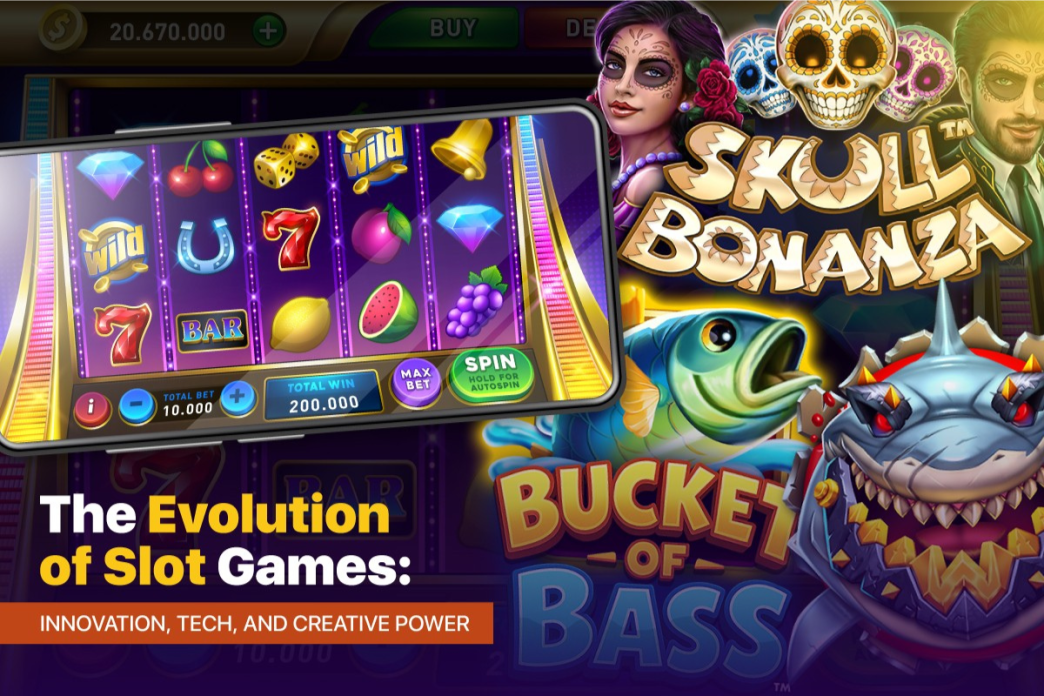
Slovenian players’ preferences for international platforms often center around slot gaming variety and bonus features unavailable through domestic operators. The popularity of bonus buy features has grown exponentially, with 84% of Slovenian slot players using this functionality when available, according to 2026 market research data. International platforms typically offer more extensive catalogs of games with these features compared to the limited selection available through Loterija Slovenije.
Pragmatic Play slots represent a particular area of interest, as these games are rarely available through domestic Slovenian operators but feature prominently on international platforms. Games like “Sweet Bonanza” and “Gates of Olympus” have become favorites among Slovenian players specifically because of their bonus buy mechanics and high volatility gameplay that domestic operators tend to avoid.
The technical infrastructure of international platforms also appeals to Slovenian players, with faster loading times, mobile optimization, and user interface languages that often surpass domestic offerings. Many international operators have invested heavily in Slovenian language support, recognizing the market’s potential despite the relatively small population of 2.1 million.
Cross-Border Dispute Resolution and Consumer Rights
When disputes arise between Slovenian players and international operators, resolution mechanisms can be complex. EU-licensed operators typically fall under the jurisdiction of their licensing authority’s dispute resolution procedures, which may not align with Slovenian consumer protection expectations. The Malta Gaming Authority’s Player Support Unit, for example, handles complaints from Slovenian players but operates under Maltese rather than Slovenian consumer protection standards.
Alternative dispute resolution (ADR) services have become increasingly important in this context. Organizations like eCOGRA and Gaming Disputes provide independent mediation services that many international operators accept as binding. These services offer Slovenian players recourse options that may be more accessible and cost-effective than pursuing formal legal action across international borders.
The European Commission’s Online Dispute Resolution (ODR) platform provides another avenue for Slovenian consumers, though its effectiveness for gambling-related disputes remains limited. Most successful resolutions occur through direct negotiation with operators or through the licensing authority’s complaint procedures, emphasizing the importance of choosing reputable, well-licensed international platforms.
Future Regulatory Developments and Market Evolution
Slovenia’s gambling regulatory landscape continues evolving, with proposed amendments to the Gaming Act potentially affecting how citizens access international platforms. The government’s 2025 consultation document suggests implementing a “white list” system similar to those used in other EU countries, which could formalize which international operators Slovenian players may legally access.
Industry analyst Tomaž Bernik from the Slovenian Gaming Research Institute notes: “We’re likely to see Slovenia move toward a more structured approach to international gambling access, balancing player choice with enhanced consumer protection. The current system’s informality creates uncertainty that benefits neither players nor operators.”
Technological developments, particularly in payment processing and identity verification, are reshaping how Slovenian players interact with international platforms. The implementation of EU-wide digital identity standards could streamline access while enhancing security and regulatory compliance. Cryptocurrency adoption may also influence future regulatory approaches, as traditional banking oversight becomes less relevant for digital currency transactions.
The market’s evolution suggests that Slovenian players will continue enjoying broad access to international gambling platforms, but with increasing formalization of the legal framework governing such access. This development promises greater clarity for players while maintaining the competitive advantages that international platforms currently offer over domestic alternatives.